Hospitality Has a Water Problem, and Small Properties Should Pay Attention
Skift reports that rising heat and drought are exposing water use across hospitality. The industry is testing small fixes, but bigger structural changes will decide who stays open and solvent.
Hospitality Has a Water Problem, and Small Properties Should Pay Attention
Skift reports that summer heat and drought have pushed hospitality's water use into the spotlight. The article notes that the industry is leaning on simple fixes such as aerated showerheads and less frequent laundry, while the harder, more expensive structural changes are the real question for the future.
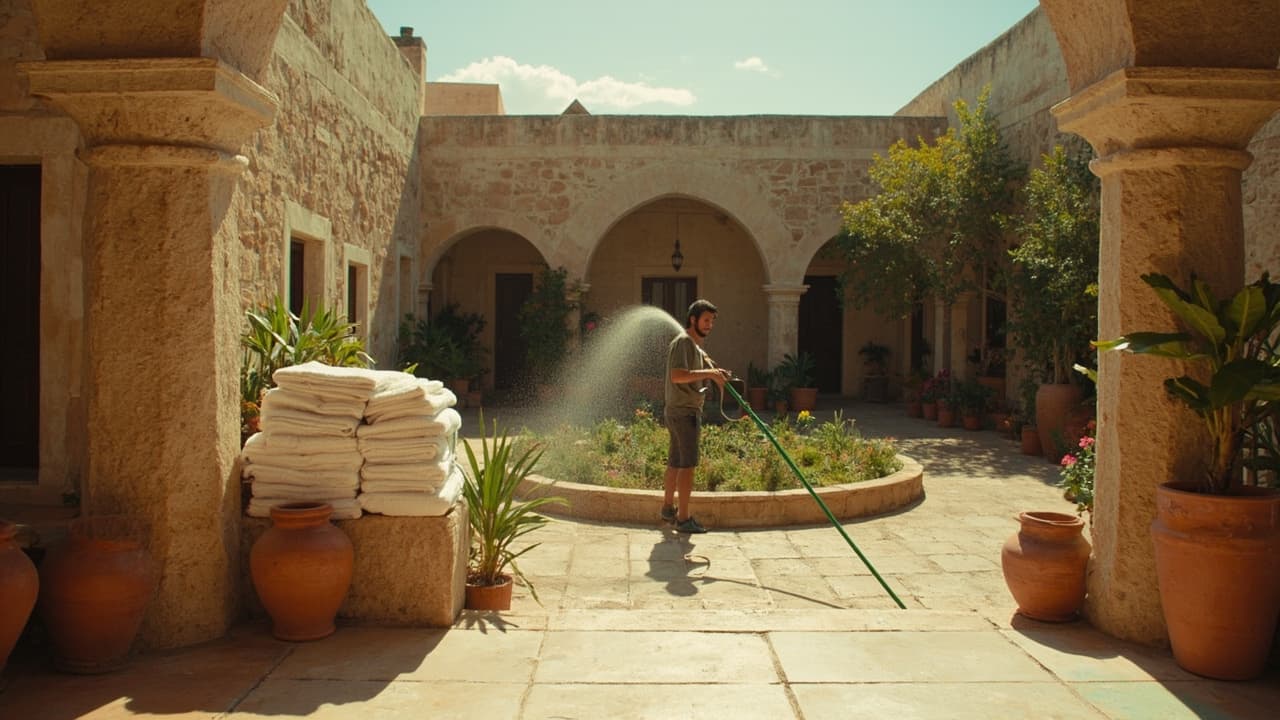
For an inn in the Red Sea governorate, a boutique stay on the North Coast, or a small guesthouse in Luxor, water is not a theoretical concern. Your guests notice brown lawns, low shower pressure, and pool rules. Your municipality may already restrict outdoor watering during peak summer. Booking channels may show your property in regions flagged for water risk, which can quietly steer European travelers toward competitors in wetter countries. The Skift piece frames this as an industry-wide reckoning, but the operational consequences land hardest on small properties, where one general manager is also the plumber.
Why this matters for a small property
Water cost and water reliability are now part of the guest decision. Guests are reading about shortages in Egypt, across the Mediterranean, and in southern Europe, and they ask about it in pre-booking messages. A clear answer can win the booking. A vague one, or a flooded garden in a year of rationing, can lose it. Meanwhile, your operating costs rise while your utility bills become less predictable.
Five practical steps for the next 60 days
- Audit every tap, toilet, and shower in the property. Replace aerators and install dual-flush conversions; these are cheap and pay back within one season in most Egyptian cities.
- Switch bed linen and towel changes to a request-only policy, and tell guests about it before check-in. Skift's reporting points to less laundry as one of the simplest wins the industry is pursuing.
- Read your local water tariff and your governorate's seasonal restrictions. Pin the dates and the rules in the office so the front desk can answer the question "can I water the garden" honestly, on the spot.
- Store your utility bills monthly and track cubic meters per occupied room. You will not know if a fix is working without a baseline, and the trend matters more than the first number.
- Add a short, plain-language note to your listing and your booking confirmation about what you are doing to manage water responsibly. This is the kind of policy detail that increasingly shows up in the questions guests send through OTAs.
Where AI fits without hype
A tool such as Lolla can draft guest replies about your linen policy, your water-saving steps, or local restrictions in the language each guest writes in, so your front-of-house team is not rewriting the same answer twelve times a week. That keeps your team focused on the property, not the inbox, while you work through the bigger plumbing questions the Skift piece warns are coming.
The takeaway is simple: the small wins are easy, and you can claim them in your marketing today. The structural wins, such as greywater reuse, drought-tolerant landscaping, and supply agreements that hold in a crisis, take planning and capital. Start with the audit, get the narrative right, and revisit the bigger decisions once you have a year of real numbers behind you.